Industrial-Scale Harassment Driving Politicians Out of Public Life, UK Minister Warns
Rushanara Ali pushes new safeguards for MPs as violent threats, online hate and political intimidation hit record highs
The UK’s political landscape is facing a crisis of safety and legitimacy, according to Rushanara Ali, Minister for Democracy, who this week warned of “industrial-scale abuse” targeting MPs and candidates. Ali’s remarks come amid growing concern over a toxic political climate that has already cost lives, discouraged young talent, and sparked urgent calls for legal reform.
Speaking to The Guardian, Ali described how threats, harassment, and intimidation are “chilling our democracy”, as violent rhetoric and real-world aggression increasingly push people—especially women and minority candidates—away from political life.
“Only yesterday I received a threat to torture and kill me,” Ali revealed. “Week in, week out, I hear of colleagues across parties—particularly women—being threatened and intimidated.”
Democracy Under Attack: Elected Officials Living in Fear
Two MPs Killed, Over Half Face Harassment
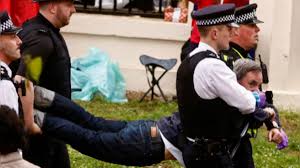
The threat is no longer theoretical. In just the past decade, Jo Cox was murdered by a far-right extremist in 2016, and Sir David Amess was killed in 2021 by a radicalised terrorist. More recently, MPs like Shabana Mahmood and Rushanara Ali herself have reported sustained harassment—including stalking, aggressive protests, and coordinated disinformation campaigns.
A post-election report by the Electoral Commission found that:
-
55% of candidates experienced harassment or abuse during the 2024 election.
-
13% called the problem “serious” or persistent.
These incidents are not tied to any single issue. While pro-Palestinian activists were seen targeting Muslim Labour candidates in the last election—including fake leaflets showing Ali with devil horns—other MPs face abuse from anti-vax extremists, far-right conspiracy theorists, and misogynists online.
Why It Matters: CEO-Level Insights on Political Risk and Talent Drain
For public-facing leaders—political or corporate—the escalating abuse of politicians raises three core concerns:
-
Talent Attrition: Young, diverse candidates are pulling back from public service. This mirrors corporate DEI struggles, where abuse or harassment of visible minority leaders leads to retention problems.
-
Reputation Risk: CEOs engaging with public issues must factor in activist backlash, digital smear campaigns, or even physical threats as political rhetoric intensifies.
-
Policy Delays: Democratic paralysis—caused by fear of personal consequences—can delay or distort legislation. For industries depending on regulatory clarity (energy, tech, climate), this presents a material governance risk.
Government Response: Three Legal Reforms to Address Abuse
Ali Unveils New Safeguards for Candidates and Campaigners
In response to the rising intimidation, the UK government is rolling out three key changes in an upcoming elections strategy paper:
1. Candidates Can Withhold Home Addresses
Current rules require candidates acting as their own agents to publish their address. New reforms will allow all candidates—including councillors—to opt out of publishing any personal location details.
2. Harsher Sentences for Political Harassment
Legal guidance will be updated to classify harassment of political candidates, staff, or campaigners as an aggravating factor. Judges will be empowered to issue tougher penalties on those convicted of abuse.
3. Ban Abusers from Standing for Office
Anyone convicted of threatening, harassing, or intimidating a political candidate will be disqualified from standing in future elections.
While these are significant steps, they fall short of some recommendations by the Speaker’s cross-party panel, which include:
-
Mandatory candidate ID and background checks
-
Expanded police protection during elections
-
Flexible exclusion zones around polling stations
A Warning for the Future: Intimidation Is Warping Democracy
Ali and other senior figures have expressed fears that unless bold reforms are enacted, an entire generation will be driven away from politics—particularly women and minorities already underrepresented in Parliament.
“This is about protecting the pipeline of future leaders,” Ali said. “If we don’t act now, we’re not just losing talent—we’re weakening democracy itself.”
Parliamentarians echo this concern. Speaker Lindsay Hoyle’s panel found that “current trends suggest [threats] could get worse”, as technology enables anonymous abuse and viral harassment campaigns.
A Broader Crisis of Trust—and Connection
Why Voters Are Turning Hostile
MPs and analysts alike say this rising hostility stems from deep public disillusionment. The digital era has collapsed the boundary between public and private, and candidates are now just a tweet or WhatsApp message away from threats, trolling, or manipulation.
Political discourse is polarised. Fringe ideologies—whether ultra-left, far-right, or conspiracist—are amplified by algorithmic echo chambers. Meanwhile, economic uncertainty and social fragmentation have made the public more angry, and less trusting of institutions, than ever before.
Time for Cross-Sector Safeguarding
Just as companies have strengthened digital security, democracy now requires its own version of workplace safety standards. The reforms Ali proposes are an early step. But much more will be needed—from platform accountability to cross-party resilience strategies.
For now, the warning is clear. Political leadership in the UK is being reshaped not by elections—but by fear.