FOI Data Reveals Just 3% of “Public Nuisance” Arrests in London Lead to Prosecution
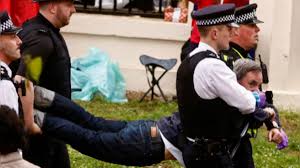
In a revelation sparking widespread concern among civil liberties groups, new research reveals that less than 3% of people arrested by the Metropolitan Police for conspiracy to cause a public nuisance in the past five years were actually prosecuted. This startling figure comes amid a nearly tenfold surge in arrests under the controversial charge, raising urgent questions about the criminalisation of peaceful protest in the UK’s capital.
Campaigners, legal experts, and environmental groups now warn that this tactic amounts to a systematic misuse of police powers—one designed to intimidate and silence activists without the burden of proving criminality in court.
Arrests Skyrocket, Charges Don’t Follow
From 67 Arrests in 6 Years to 205 in a Single Year
Using Freedom of Information (FOI) requests, Greenpeace UK uncovered a dramatic increase in the number of people arrested for conspiracy to cause a public nuisance, especially since the climate protest wave of 2019 led by Extinction Rebellion and Fridays For Future.
Key figures:
-
2012–2018: 67 arrests, 8 charges (12%)
-
2019 alone: 205 arrests, 0 charges
-
2019–March 2025: 638 arrests, only 18 charges (2.8%)
The pattern, critics say, is clear: police are using serious protest laws to round up demonstrators—even though prosecutors rarely pursue cases.
“The police are routinely dragging protesters off the streets for a crime they almost always fail to charge them with,” said Areeba Hamid, Co-Executive Director of Greenpeace UK. “It’s an abuse of power and an assault on the right to protest.”
Why This Charge Matters
“Public Nuisance” Now Carries Up to 10 Years in Prison
The charge of conspiracy to cause a public nuisance is now among the most severe legal tools used against protesters. Since being codified in the Police, Crime, Sentencing and Courts Act 2022, it carries a maximum sentence of 10 years.
This power was notably used to convict four Just Stop Oil activists last year, who received prison sentences of up to five years—the longest non-violent protest sentences in UK history.
But while a handful of high-profile cases make headlines, the overwhelming majority of arrests under this law result in no further action—yet still carry heavy consequences for those detained.
The Hidden Costs of an Arrest
DNA, Bail, and Pretrial Custody Without Charges
Civil rights lawyers warn that the Met police are leveraging this rarely prosecuted law to extract personal data, impose harsh bail conditions, and disrupt protest movements—even when no prosecution is likely.
“It’s a control tactic,” said Raj Chada, leading protest defence lawyer at Hodge Jones & Allen. “The police can detain people, take their DNA and fingerprints, restrict their movement, and then quietly drop the charges months later.”
In practice, this means protestors can be:
-
Placed in pretrial custody
-
Given bail conditions that bar them from entering central London
-
Subjected to search and seizure of personal devices
-
Kept in legal limbo while actions are still underway
Chada adds that this became a “standard approach” during Extinction Rebellion’s height—using the law to disperse or deter large gatherings even when legal grounds were flimsy.
Environmental Campaigners Sound the Alarm
“Intimidation Through Inflated Charges”
According to Tim Crosland, Director of the legal charity Plan B, the strategy is intentional:
“It’s an intimidation tactic that unlocks police powers of search and seizure under the Police and Criminal Evidence Act,” he said. “It enables dawn raids, phone and laptop confiscation, and targeted surveillance—all in response to peaceful protest.”
Crosland describes the trend as part of a wider crackdown on civil society, in which protesters are treated as threats, not citizens exercising their rights.
The Met’s Response
“Threshold for Arrest is Lower Than for Charges”
In response to the backlash, the Metropolitan Police defended their conduct in a public statement:
“The threshold for arrest is reasonable suspicion. To charge someone, we must show there’s enough evidence for a realistic prospect of conviction. Proving conspiracy to cause public nuisance is particularly challenging.”
The police insist they are not criminalising dissent but intervening where protest becomes criminality. But critics argue that the gap between arrest and charge suggests something more sinister is at play.
The Covid Interruption—and Return to Form
2021 Saw Arrests Surge Again With Insulate Britain
Protest activity understandably slowed during the Covid-19 pandemic, but arrests surged again in 2021, largely due to the disruptive Insulate Britain roadblock protests on the M25.
-
2021: 272 arrests under public nuisance—0 charges
-
2022: Just 12 people charged under the newly codified version of the offence
Greenpeace and others see this as clear evidence that the law is not being used for justice—but for political suppression.
What’s Next?
Calls for Oversight, Reform, and Accountability
Greenpeace, Plan B, and other advocacy groups are now calling for:
-
Independent review of how police apply protest laws
-
Restrictions on the use of conspiracy charges for non-violent offences
-
Accountability mechanisms for mass arrests that don’t lead to prosecution
Some are also calling for the repeal of parts of the Police, Crime, Sentencing and Courts Act, arguing it was passed with the explicit purpose of curtailing public dissent.
Is the Right to Protest Under Threat?
The UK has long prided itself on being a democracy that protects freedom of expression—but critics now argue that peaceful demonstrators are being treated like criminals, often without a day in court.
If the numbers from Greenpeace’s research hold true across the country, then the Met’s actions could represent one of the largest peacetime suppressions of civil liberty in modern British history.
For now, campaigners say they will keep fighting for the right to protest—and demand that the justice system not be used as a tool of state intimidation.