For many, the road to recovery from addiction and homelessness can feel like an impossible journey. But for Mark, a 42-year-old man from West London, his transformation is nothing short of a miracle. Having lived through the harsh realities of street life, addiction, and trauma, Mark is now a peer support worker helping others overcome similar struggles. His inspiring story proves that no matter how dark the road may seem, there is always hope.
A Troubled Beginning: The Journey into Addiction and Homelessness
Born in Ireland, Mark moved to West London at the age of six. What started as the simple struggles of adolescence soon spiraled into a battle with addiction. By the time Mark was 14, he began drinking, and by 16, he was kicked out of his family home. The next 20 years of his life were a cycle of hospitals, prisons, and the streets.
Mark’s addiction began with cider but escalated quickly into stronger substances, including vodka, weed, ecstasy, cocaine, and eventually, crack, heroin, and crystal meth. He sought to numb the pain of past traumas, but soon, the addiction took control of his life.
“I didn’t know how to stop,” Mark recalls. “I kept chasing that high.”
Life on the Streets: Struggling and Surviving in Shepherd’s Bush
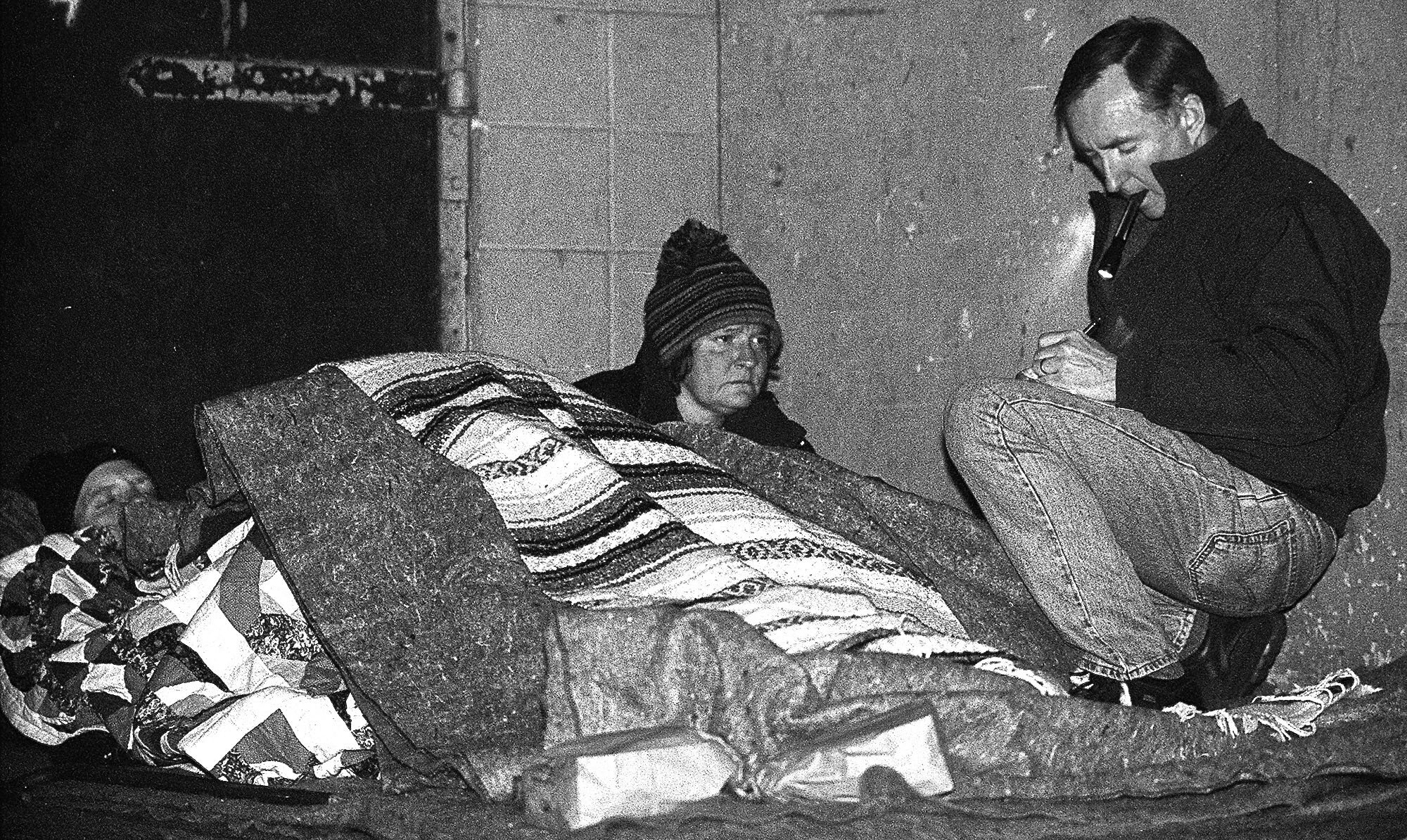
Mark’s journey led him to the streets of Shepherd’s Bush, where he spent years as a rough sleeper. He remembers his first night sleeping on the streets with clarity. “I wasn’t sure what was going to happen. I felt like everything was out of my control.”
For years, Mark would find himself moving from one homeless hostel to another. Unfortunately, these hostels were often filled with others struggling with addiction, making it difficult for him to break free. His life became a “vicious cycle” of temporary housing placements, getting into fights, and being kicked out, only to start the process all over again.
The Turning Point: Finding Hope During the Pandemic
It wasn’t until the COVID-19 pandemic that Mark hit rock bottom and decided to change his life. “I had enough of it. I just had enough of it and got help,” he explains. Mark turned to the Kensington and Chelsea council’s homelessness service, where he began attending group therapy sessions multiple times a week. Slowly but surely, he started to clean up and regain control of his life.
Mark was eventually placed in a hostel and later moved into a one-bedroom flat. But the real turning point came when he was invited to become a peer support worker for the same homelessness service that had helped him. “It felt like a miracle. I was looking at the place where I once slept rough, and it was emotional in a positive way.”
Living a New Life: From Recovery to Giving Back
Today, Mark spends two days a week working for the Rough Sleeper Dual Diagnosis Service (RSDDS), a program designed to support those struggling with both homelessness and addiction. He also attends college one day a week, training to become a chef while working at a restaurant.
“My life is completely different now,” Mark says, reflecting on his recovery. “I didn’t think this life was possible, but now hope has returned.”
One of the most rewarding aspects of Mark’s recovery is the way his family has reconnected with him. “They started speaking to me again when I got clean,” Mark says. “Now, I hear birds singing, and I’m just grateful to have a roof over my head.”
Giving Back: Becoming a Peer Support Worker
Becoming a peer support worker was a natural next step for Mark. “It made sense,” he says. “At first, I thought my past was something to be ashamed of, but now I realize it’s a strength. My experience might help someone else who’s struggling.”
Mark’s work with the RSDDS is not just about helping others—it’s about finding purpose. “When I was using, I didn’t have a purpose. Now I do.”
The Rise of Homelessness: A Growing Crisis in London
Mark’s story is a beacon of hope, but it also highlights the growing issue of homelessness and addiction in London. According to Stephanie Ratcliffe from St Mungo’s, the number of new rough sleepers has risen by 20% in the past year, driven largely by the cost of living crisis and a shortage of affordable housing. In fact, at least half of the rough sleepers surveyed by the charity reported a need for mental health services, while 70% said their mental health directly impacted their recovery.
Kensington and Chelsea council’s RSDDS program is making a significant impact, with 30 rough sleepers helped through various stages of recovery. Of those, 27 have entered rehab, and 23 have become abstinent from substances. The ultimate goal of the service is to help rough sleepers secure permanent housing, and so far, 15 clients, including Mark, have successfully transitioned into their own homes.
The Future of RSDDS: A Peer-Led Program Leading the Way
The RSDDS, which is the first peer-led program of its kind in the UK, continues to offer invaluable support to those battling addiction and homelessness. According to Gavin, the service manager who created the program two years ago, it provides a flexible and compassionate approach to recovery. “Clients can contact us five days a week, and they won’t be reassessed if they miss more than three appointments,” he explains.
The program’s success comes from meeting clients where they are—helping them get into rehab, providing therapy, and eventually finding them a permanent home.
Conclusion: A Story of Hope, Recovery, and Redemption
Mark’s transformation from a rough sleeper struggling with addiction to a support worker helping others is a testament to the power of second chances. His story shows that recovery is possible, no matter how bleak things may seem, and that sometimes, a little help and hope can turn a life around. As Mark says, “Little miracles do happen.”