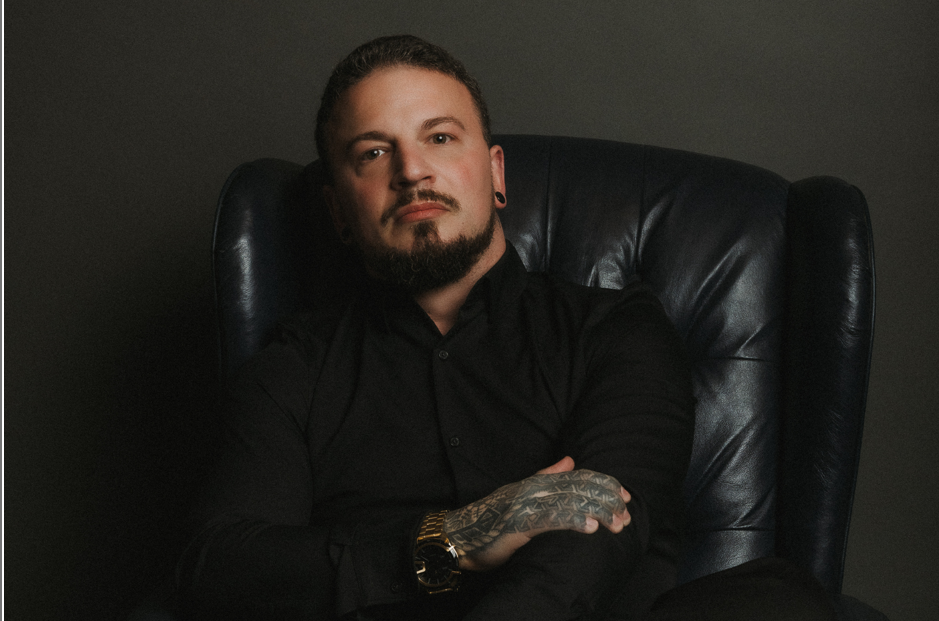
Most leadership frameworks are born in boardrooms. Nicholas G. Lawless built his crisis rooms.
A U.S. Army veteran who went on to serve in high-level roles supporting operations tied to the White House Emergency Operations Center and the Department of Homeland Security, Lawless didn’t study leadership in theory, he lived it when the stakes were real. An injury ended his military career early. What followed was a rapid ascent through federal operations and the eventual founding of elite protection firms, including CPS1 and Phobos Security.
Out of that trajectory came what he calls the Lawless Advantage Profile, a five-part framework designed for leaders operating in volatile, high-pressure environments.
The Five Traits That Separate Crisis Leaders from Everyone Else
According to Lawless, elite performers share five capabilities:
- Threat Awareness – spotting risks and opportunities before they fully materialize.
- Emotional Insight – reading intentions, nonverbal cues, and power dynamics with precision.
- Adaptive Innovation—turning setbacks into strategic pivots.
- Composed Resilience—maintaining clarity and poise when outcomes carry heavy consequences.
- Genuine Connection—building loyalty forged through shared adversity, not surface-level rapport.
Unlike traditional leadership programs that emphasize collaboration frameworks or self-reflection exercises, Lawless centers on experiential mastery. His philosophy: pressure doesn’t reveal character, it trains it.
Hardwired from Hardship
In his 2026 book, Lawless Leadership: Hardwired from Hardship – A Survivor’s Guide to Unstoppable Leadership, Lawless challenges a popular idea in modern self-development: that you must fully heal before you can lead.
His counterpoint is blunt, hardship is already an asset.
Drawing from border operations, assassination threat tracking, and classified coordination efforts, he blends neuroscience, psychology, and battlefield lessons into what he describes as a practical operator’s manual. The book includes “Lawless Drills,” targeted exercises meant to convert survival instincts into disciplined decision-making.
The emphasis is less on inspiration and more on execution. Readers aren’t told to overcome their scars; they’re instructed to weaponize them strategically.
Why This Model Resonates Now
We’re operating in an era defined by rapid technological disruption, geopolitical tension, and economic volatility. Leaders trained in predictable systems often struggle when uncertainty compounds.
Lawless is positioning his framework for a different audience: veterans, founders, executive protection professionals, and entrepreneurs accustomed to high-stakes pressure. Through CPS1 and Phobos Security, firms focused on proactive, military-grade protection strategies, he continues applying his principles in real-world scenarios.
The broader message is clear: leadership built in calm conditions may falter in chaos. Leadership forged in chaos often scales.
Observers frequently compare Lawless’ intensity to figures like David Goggins and Jocko Willink, personalities known for reframing suffering as strength. But Lawless pushes the concept further. His focus isn’t enduring hardship; it’s operational dominance within it.
The Competitive Edge in an Uncertain Era
As volatility becomes the norm rather than the exception, resilience alone may not be enough. Anticipation, emotional acuity, adaptability, and loyalty-building under pressure are emerging as strategic differentiators.
Nicholas G. Lawless isn’t pitching a softer leadership narrative. He’s building a network of operators trained to think multiple steps ahead, convert adversity into leverage, and create teams bound by shared trials instead of surface alignment.
In a marketplace crowded with motivational rhetoric, his proposition is sharper: the future will belong to leaders who don’t just survive uncertainty but systematically master it.