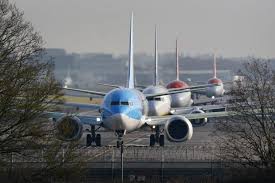
Another technical failure at the heart of Britain’s air traffic system has triggered flight chaos, prompting the government to demand urgent explanations.
On Wednesday, a malfunction at NATS (National Air Traffic Services) Swanwick control centre led to the cancellation of more than 150 flights and disrupted schedules at major airports across the UK, particularly Heathrow. The UK Transport Secretary, Heidi Alexander, has summoned NATS CEO Martin Rolfe to explain what went wrong—and how it will be prevented from happening again.
This marks the second such disruption in under two years, reigniting industry fury and airline demands for accountability.
What Went Wrong? A 20-Minute Glitch, 150+ Flights Cancelled
Heathrow Hit Hardest by Wednesday’s Air Traffic Chaos
The incident struck just after 4pm on Wednesday, with NATS issuing a notice of a “technical issue” that impacted air traffic control operations across multiple UK airports. While systems were reportedly back online within an hour and full operational capability restored, the 20-minute failure wreaked disproportionate havoc.
By 10pm, 84 departures and 71 arrivals had been cancelled at Heathrow alone. Some incoming flights were even forced to divert to airports in mainland Europe. The ripple effect extended into Thursday, with at least 16 British Airways flights cancelled due to aircraft and crew displacement.
Both Heathrow and Gatwick later confirmed they had resumed normal operations. Yet, the consequences of even a short-lived failure were again thrown into sharp focus, particularly during the summer travel season.
Ministerial Intervention: “We Need to Prevent Recurrence”
No Resignation Request—for Now
Speaking on social media platform X, Transport Secretary Heidi Alexander emphasized that passenger safety and operational transparency were top priorities. She pledged to meet Martin Rolfe directly:
“I will be meeting the NATS chief executive today to understand what happened and how we can prevent recurrence.”
Despite growing frustration from airlines—most vocally Ryanair—Alexander is not expected to push for Rolfe’s resignation at this stage. However, the mounting pattern of failures has undeniably raised questions about systemic reliability.
Airlines Demand Accountability—Ryanair Leads the Charge
“No Lessons Learned,” Says Airline After Second NATS Outage
Ryanair wasted no time renewing calls for Rolfe to step down. In a blistering statement, the airline accused NATS of failing to implement effective safeguards after the notorious August 2023 meltdown, which caused more than 2,000 flight cancellations and was described as the worst air traffic control failure in UK history.
A Ryanair spokesperson declared:
“Yet again, UK air traffic control has let passengers down. No lessons have been learned, and no accountability has been shown.”
Notably, Ryanair has repeatedly called for Rolfe’s resignation throughout July, as part of a broader campaign targeting inefficiencies in UK air traffic management.
Systemic Weaknesses or Isolated Glitch?
Industry Experts Say Perfection Is Unrealistic
While public and political pressure mounts, some aviation industry veterans are urging a more nuanced approach. Graham Lake, a former Director General of air traffic body CANSO, told BBC Radio 4:
“It’s unrealistic to expect a system where there are no technical failures. The failure yesterday was short and sweet. Recovery was quick—aircraft were operating again very, very quickly.”
That view was echoed by Business Minister Gareth Thomas, who told Times Radio that while the incident is concerning, immediate judgment would be premature:
“Clearly, an incident happened two years ago and measures were taken then. It looks like those measures weren’t enough, but we need to get to the bottom of what exactly happened.”
NATS: A System Under Scrutiny
Swanwick Centre in the Spotlight Again
The Swanwick control centre, which oversees southern UK airspace, has now experienced two major technical failures within 24 months. Despite upgrades after the 2023 crisis, Wednesday’s incident has raised alarm bells over NATS’ IT infrastructure and emergency response protocols.
NATS has yet to officially confirm the root cause, though unverified reports suggest radar system malfunctions could be to blame.
Rolfe and his executive team are now under immense pressure to produce clear, credible answers—not just for the government, but for airlines and passengers alike.
Business Fallout: Trust, Timelines, and the Summer Surge
Disruptions Cost Millions, Shake Consumer Confidence
Flight cancellations in peak travel periods create cascading operational and financial impacts. For airlines, the direct costs include fuel waste, diverted routes, stranded aircraft, overtime for rebooking crews, and passenger compensation. For passengers, it means missed holidays, business opportunities, and growing frustration with air travel reliability.
If confidence in UK airspace infrastructure erodes further, airlines may increase pressure on regulators and ministers to explore alternative control frameworks or demand greater investment in redundancy systems.
What Happens Next?
Eyes on the NATS CEO’s Report
As Heidi Alexander meets Martin Rolfe, several key questions will shape the fallout:
-
What was the technical root cause?
-
Were existing mitigation systems functional and tested?
-
What immediate changes will be made to prevent recurrence?
-
Is leadership change on the horizon if future disruptions occur?
For now, the government appears to be giving Rolfe a chance to respond—but the clock is ticking.
Stability or Suspicion?
The aviation industry relies on trust in its unseen digital backbone. This latest glitch, although brief, reminds everyone just how fragile that trust can be. While Wednesday’s disruption pales in comparison to the 2023 crisis, it’s no less of a wake-up call for NATS leadership and UK regulators.
Whether Martin Rolfe survives this storm will depend on more than just technical explanations—it will hinge on his ability to restore confidence before the next flight plan goes off course.