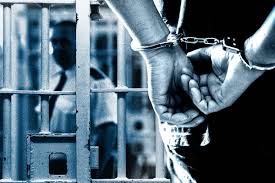
A Legal Turning Point: Prison Roof Protestor Challenges UK’s “Cruel and Inhumane” IPP Sentences
A high-profile court case set to begin this week could mark a major turning point in the United Kingdom’s controversial use of indeterminate prison sentences. At the centre is Joe Outlaw, a 38-year-old man who climbed onto the roof of a high-security prison in his underwear in protest of a sentence that has kept him imprisoned for 13 years—with no clear release date.
This trial is expected to be the first time that the psychological toll of Indeterminate Sentences for Public Protection (IPPs) is being used as a legal defence in an alleged prison escape case. Legal experts, human rights activists, and prison reform groups are watching closely, hoping the court will finally acknowledge the lasting damage inflicted by a sentencing system many consider to be a relic of a more punitive era.
Who Is Joe Outlaw?
A Protest Born from Desperation
Joe Outlaw was originally sentenced to an IPP in 2011 after robbing a takeaway at gunpoint while under the influence of alcohol and drugs. Despite the severity of the crime, his original minimum term was just a few years—yet he remains behind bars over a decade later, largely in isolation.
In June 2023, Outlaw climbed onto the roof of HMP Frankland in Durham, wearing only his underpants, as a public act of protest against IPPs. It wasn’t the first time. Two months earlier, he occupied the roof of HMP Manchester (Strangeways) for 12 hours, painting “FREE IPPZ” in large letters visible from outside the prison walls. That act of civil disobedience led to additional charges, including “escape from lawful custody” and allegedly starting a fire in his cell during what has been described as a suicide attempt.
Outlaw’s case is not about mere rebellion—it reflects the mental health crisis brewing inside British prisons as hundreds of inmates remain indefinitely locked up under a sentencing regime that was abolished over a decade ago but not retroactively applied.
The Legacy of IPPs
A Sentence Without an End
Indeterminate Sentences for Public Protection were introduced in 2005 as a way to keep dangerous offenders off the streets. However, the mechanism allowed judges to set short minimum terms, with release only possible if the prisoner could demonstrate to a parole board that they no longer posed a threat. In theory, this was a safety measure. In practice, it became a legal black hole.
By the time IPPs were abolished in 2012, nearly 9,000 people had been sentenced under the law. As of March 2025, 2,544 prisoners remain incarcerated under IPP terms, unable to secure release despite having served many times their minimum tariffs.
Campaigners, families, and legal experts have decried the system as “cruel and inhumane”, pointing to rising suicide rates and widespread mental health breakdowns among the IPP population.
Mental Health as a Legal Defence
Can Trauma Justify “Escape”?
Outlaw’s trial is groundbreaking in one crucial respect: it could set a precedent by treating mental anguish caused by IPP sentences as a legitimate legal defence.
Reform and Rebuild, a prison advocacy group expected to provide testimony during the trial, argues that the psychological deterioration caused by indefinite detention has driven many inmates to extreme behaviour—acts that, under a different legal lens, would be seen as symptoms rather than crimes.
“This sentence has led to a lot of destructive behaviour among prisoners,” said a spokesperson for the group. “It’s well overdue for the courts to recognise that IPPs are not just legally flawed—they’re psychologically damaging.”
Legal scholars suggest that if Outlaw’s defence is accepted, it could open the door for further legal challenges by other prisoners still languishing under IPPs. It may even ignite calls for retrospective sentencing reforms.
Human Cost and Broken Promises
Families Speak Out
Cherrie Nichol, a prominent campaigner whose brother is serving an IPP, describes the despair within the community of affected families.
“Under the previous Conservative government, many prisoners grew absolutely desperate when they were told they would not be able to be resentenced,” she said. “There were a few IPP prisoners who took their lives because they decided that they were never going to get out.”
Despite some incremental reforms, including reducing post-release license periods from 10 years to 3 years, resentencing has yet to occur for anyone. Campaigners argue that the government has failed to act meaningfully, instead offering minor policy tweaks while lives continue to unravel behind bars.
“The government won’t admit they’re wrong,” Nichol added. “So we have to go around, trample around things delicately… if we don’t keep fighting and jumping up and down, then it’ll just be forgotten.”
A Political and Moral Reckoning
Is Parliament Ignoring a Legal Timebomb?
While IPPs have been legally abolished, the government has not enacted any legislation to retroactively resentence those still affected. Critics say this oversight reflects a broader reluctance to confront institutional mistakes, especially when the affected population has little political capital or public sympathy.
The issue remains politically toxic, often overshadowed by louder debates on crime, punishment, and prison overcrowding. But for thousands of prisoners and their families, this isn’t an academic debate—it’s a matter of survival.
The Labour Party, now in government, has hinted at supporting IPP reform in the past, but has yet to make concrete moves. Pressure is mounting from legal associations, advocacy groups, and even some Conservative MPs who have admitted that the policy was a mistake.
What Comes Next?
Outlaw’s trial could determine more than just his own fate. If the court accepts psychological trauma from IPP sentences as a mitigating factor, it would force the legal system to confront the lasting impact of a sentencing strategy it has otherwise tried to move past.
More broadly, the trial may act as a moral litmus test for how Britain handles criminal justice reform—and whether it is willing to correct past wrongs, even if they were committed under the banner of public safety.
Should Outlaw succeed in his defence, it could pave the way for thousands of appeals, open doors to potential resentencing hearings, and reignite calls for sweeping prison reform.
For now, all eyes are on the courtroom in Durham. But the echoes of this trial may reverberate far beyond its walls.